
Ungaana
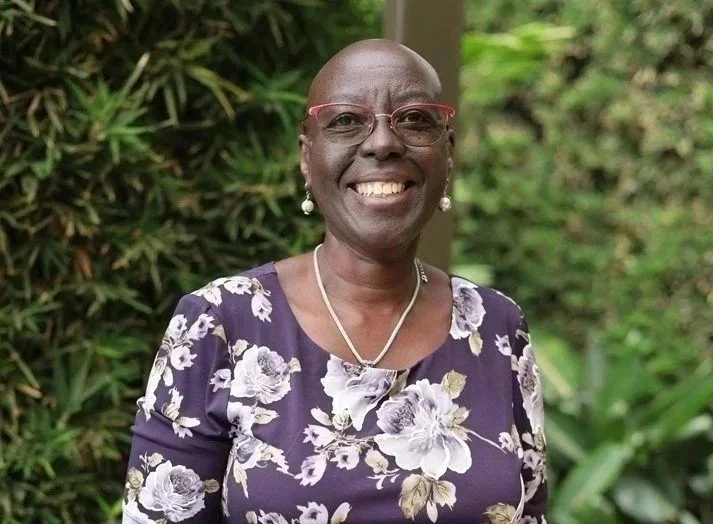
I witnessed the difficulty with which persons with disabilities could not partake in many activities within the society and how they were rendered dependent on families and friends all their lives. This unfortunately is despite the fact that they hold the same dreams, passions and intelligence as all other people espouse. Ever since I was a child, I was inexplicably driven to not only understand but help alleviate the societal barriers that persons with disabilities face, especially persons with visual impairments. My mother told me that my first interaction with someone with visual impairment was at the age of 3, where I followed the individual through a dusty road. To my mind, I understood this individual as disadvantaged and all I wanted was to protect him. I have carried this burden through stages of my life, and now I know my place is not to protect but to empower those that I can reach to live a better life where they have relative control of their lives.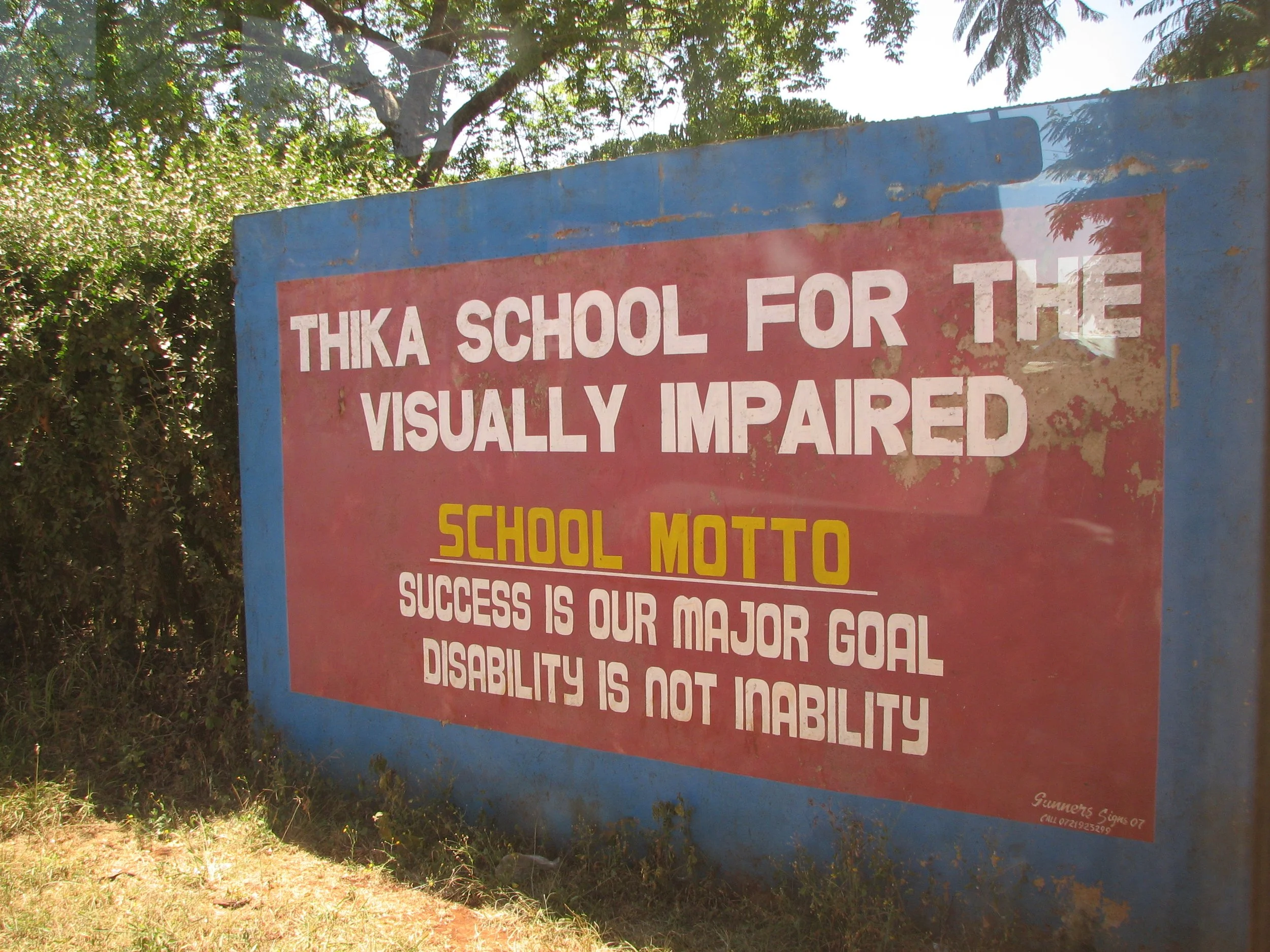
In 2024, I started engaging with Kenya Society for the Blind and the Kenya Union for the Blind, with a view to understanding how I could plug in for whatever support possible. In discussion with my children who have witnessed my heart for the visually impaired, we narrowed down our attention to focus on secondary school students. In June 2025, speaking with a friend, Ms. Anne Waweru, I mentioned of my desire and she introduced me to her colleague Mr. Peter Kimani. With their help, I established contact with the Principal of, Thika High School for the Visually Impaired, Ms. Grace Kiarie and a teacher in the school Ms. Julia Kiguru. I explained that this was a family initiative where we wanted to provide some white canes to Form 4 students before they left school. The principal was highly appreciative and so with the help of Mr. Kimani who is a former student of the school and Ms. Kiguru, we identified the totally blind students in the Form 4 class of 2025. A total of 63 students were noted, and their sizes confirmed. Mr. Kimani guided me on the quality of white canes and where they could be sourced. We went to African Braille Centre (ABC) on Mombasa Road and purchased 65 White Canes. In consultation with the school administration, I presented these empowerment tools (white canes) to the students on 7th November 2025.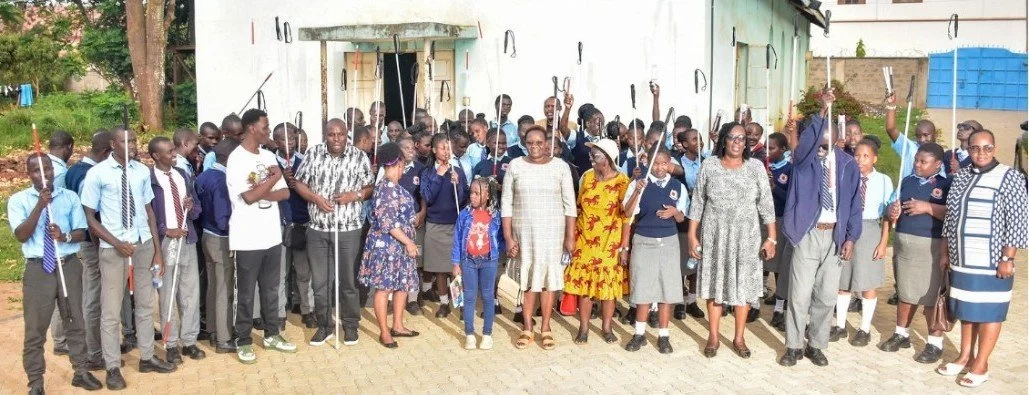
These students could not afford the white canes, a needed support for their confidence in mobility and navigation of unfamiliar spaces once out of school. The fact that a single white cane helps one to overcome the barriers that shape the everyday life of persons with visual disabilities, and the joy that the students displayed confirmed to me that this was a worthy cause. This experience reaffirmed what I had always known I wanted to do since I was a young girl, it was the most fulfilling experience of my life. I know it is my way of responding and supporting a part of the community in a manner that is impactful, empowering them towards self-reliance.
Having had the opportunity to give those students the white canes affirmed that nothing is too small when intentionally shared out. I realized that this is an area of deep need in the community, acknowledging that disability in our communities is heightened by the economic abilities of the families.
Uungana Origin
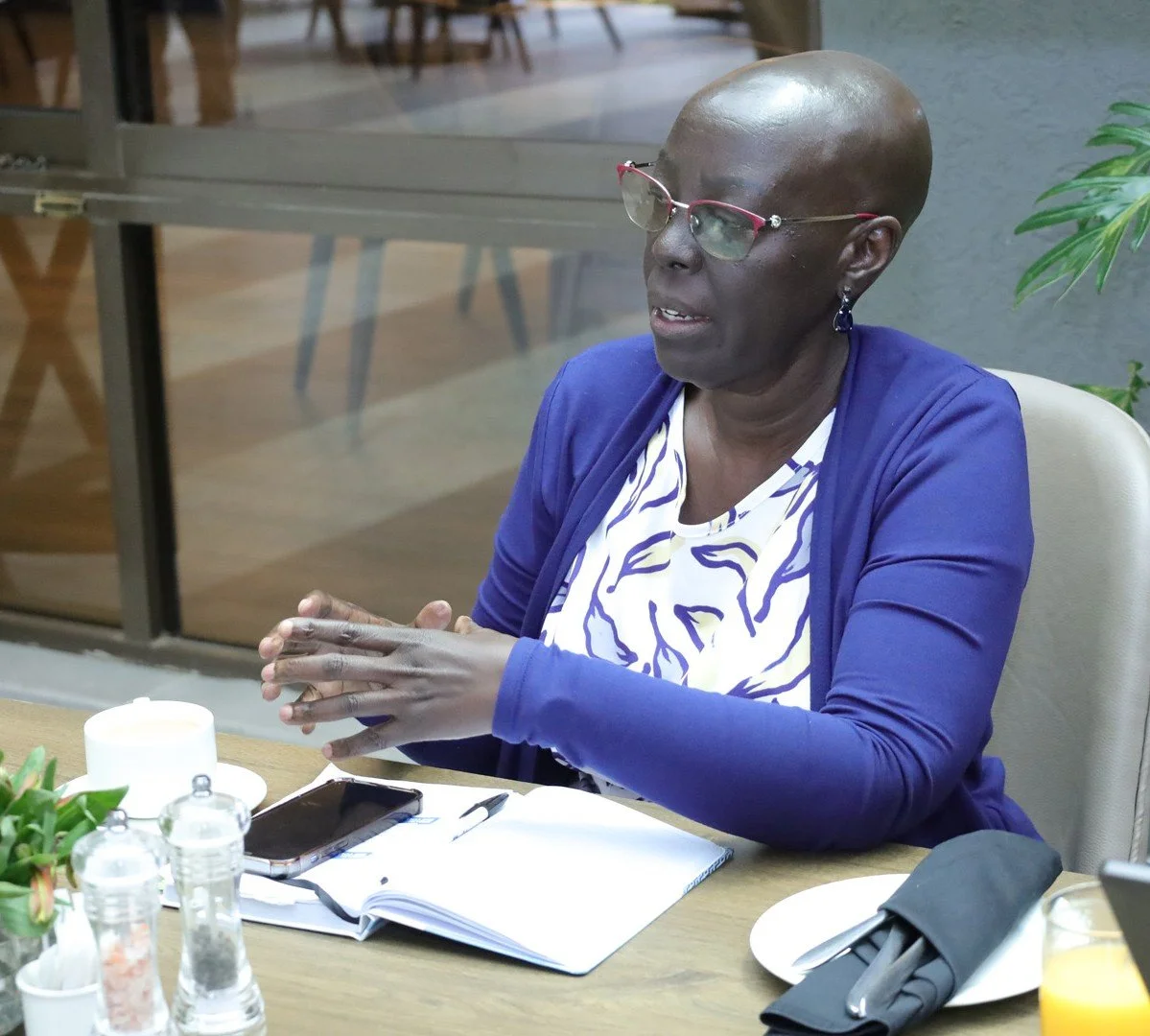
In August 2025, I published a book to speak hope to women and men going through divorce within an African context. This book is borne from an integral pivot in my own life. Using the proceeds from launching the book the foundation of UNGAANA was laid. The funds enabled us to buy 65 white canes that we presented to students in the Thika High School for the Visually Impaired. Due to limited funds, we could not buy white canes for all the students of the final year, and so we focused only on students with the most severe visual impairments (total visual disability). I am thankful to my children for their understanding, encouragement, commitment and support in pushing this initiative as we seek to change a single life at a time.Recognizing the existing need of support, we purpose to continue this journey and contribute to the slight erosion of visual impairment barriers, in the slightest way we can. It is now our hope to expand our provision of white canes not only to Thika High School for the Visually Impaired but also replicate this provision to similar high schools in the country, Kenya.